
Denim Bulk Production vs. Sample Consistency: Three Confirmation Checkpoints Wholesalers Most Easily Overlook
Wholesalers often find discrepancies in color, sizing, or hand feel between denim bulk production and approved samples upon delivery. This article examines key confirmation checkpoints, explaining what information should be documented during sample approval, what serves as the reference for bulk production verification, and what materials should be submitted when deviations are found—helping buyers reduce rework and disputes.
When bulk production doesn't match samples, unclear approved specs are one possible cause alongside production deviations—often required modifications weren't distinguished from acceptable variations during sample approval, and written verification records were lacking.
In this article
Denim Bulk Production vs. Sample Consistency: Three Confirmation Points Wholesale Buyers Most Often OverlookDuring Sample Review, First Distinguish "Must Fix" from "Acceptable"Which Version Governs Bulk Production?What to Submit When You Find a DiscrepancyThree Practical Actions to Reduce Rework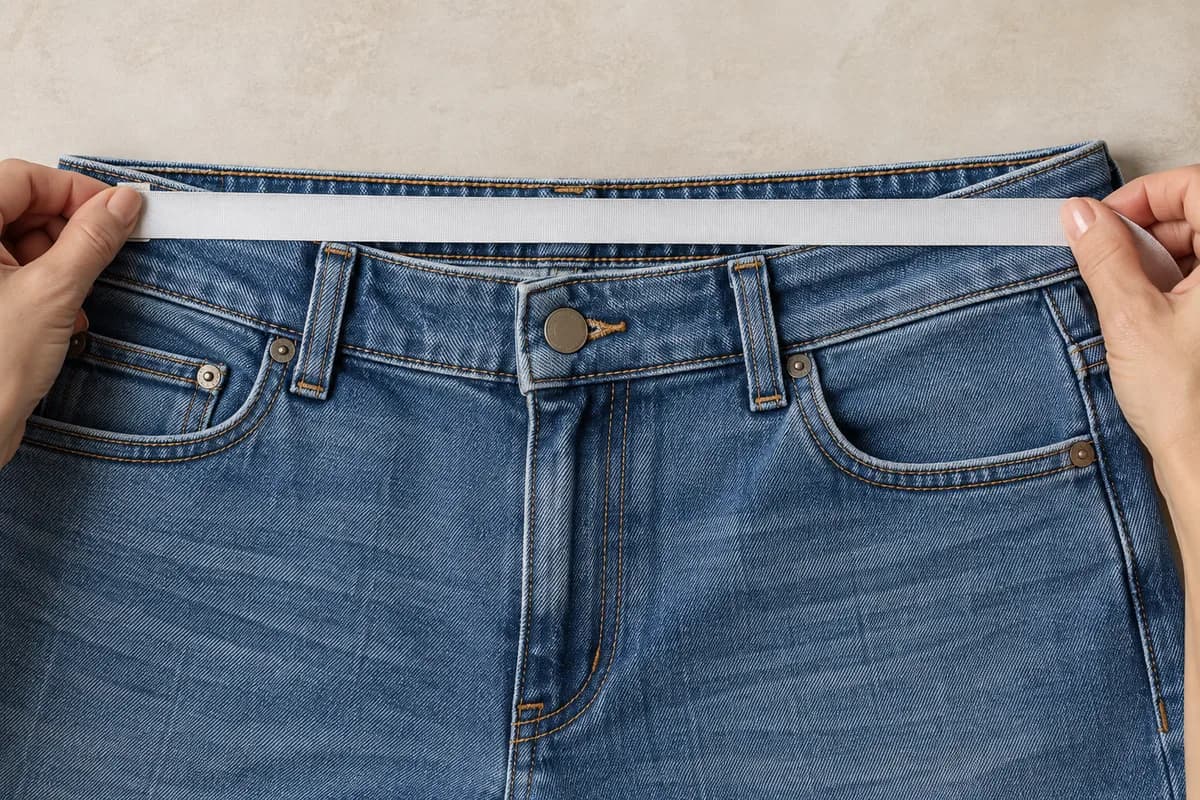
Denim Bulk Production vs. Sample Consistency: Three Confirmation Points Wholesale Buyers Most Often Overlook
At sample approval, record which details must stay, which measurement sheet applies and which variations are acceptable. This guide covers sample review, production version control and discrepancy reporting. When bulk goods differ from the approved sample, check both the approved specifications and production records before identifying the cause.
During Sample Review, First Distinguish "Must Fix" from "Acceptable"
When you receive a sample, it's best to consolidate all feedback in one round rather than raising comments verbally across multiple sessions. Fit, measurements, fabric hand feel, color and wash, stitching, trims, and label placement should all be confirmed together in this round.
The practical approach: annotate areas with photos, state the target result, and clearly identify which issues must be corrected and which differences are acceptable. For example, a 1 cm difference in inseam length may be acceptable, but a 1 cm difference in waist measurement must be fixed — these judgments need to come from the buyer; the factory cannot make them on the customer's behalf.
Keep version numbers and confirmation records for each round of revisions. When material or construction changes are involved, cost and timeline should be reviewed simultaneously. Sample approval means both parties have established a production reference, but it does not mean that details the customer hasn't confirmed can be decided by the factory at its own discretion.
Which Version Governs Bulk Production?
The specification version used for bulk production should be the last sample and size chart confirmed by both parties. A common misconception here: the customer assumes that "sample approved" means all details are locked in, but in reality, if the wash effect, trim specifications, or packaging method were not explicitly recorded at the time of approval, bulk production may default to the factory's standard practice.
Size labels across different markets are not directly interchangeable. S, M, and L may correspond to different actual measurements in different regions. During sampling, verify the measuring method, units, pre-wash or post-wash state, and tolerance. Bulk production uses the specification version confirmed by both parties — you cannot infer the fit of all sizes from a model's body measurements alone.
What to Submit When You Find a Discrepancy
If upon receipt you find differences in color, measurements, or workmanship compared to the approved sample, first collect the order number, style number, affected quantity, photos or videos of the received goods, and measurement notes — then verify against the order and approved sample.
Custom orders and stock orders may be subject to different terms. Return and exchange conditions, costs, and liability are governed by the actual terms. The next step is for the business team to verify and provide a resolution plan. Do not promise refunds, restocking, or a fixed resolution timeline before verification is complete.
Three Practical Actions to Reduce Rework
First, document clearly when approving the sample. Don't just say "OK" — specify which details must be retained and which are acceptable.
Second, keep version records. Label each round of revisions with a version number to avoid inconsistency between drawings, samples, and orders.
Third, verify the specification version before bulk production. Confirm which size chart version, which wash effect version, and which trim list version is being used for production.
It should be noted that existing materials do not confirm specific AQL levels, inspection pass rates, or certification status — these need to be confirmed item by item with the business team before ordering. For the complete verification process from approved sample to bulk shipment, refer to Sample Consistency Verification.
If you are developing a specific style, such as a hooded denim pullover, double waistband jeans, or dense-stitch shorts, it's advisable to clarify the above confirmation points during the sampling stage — stating fit, wash, and trim requirements all at once.