ZHIZHI JOURNAL

The journal archive

Inside ZHIZHI: company updates and practical guidance on denim development, sampling and sourcing.

78 stories

Denim bulk production and sample consistency: how packaging and shipping requirements affect acceptance
Sourcing guides

Denim bulk production and sample consistency: how packaging and shipping requirements affect acceptance

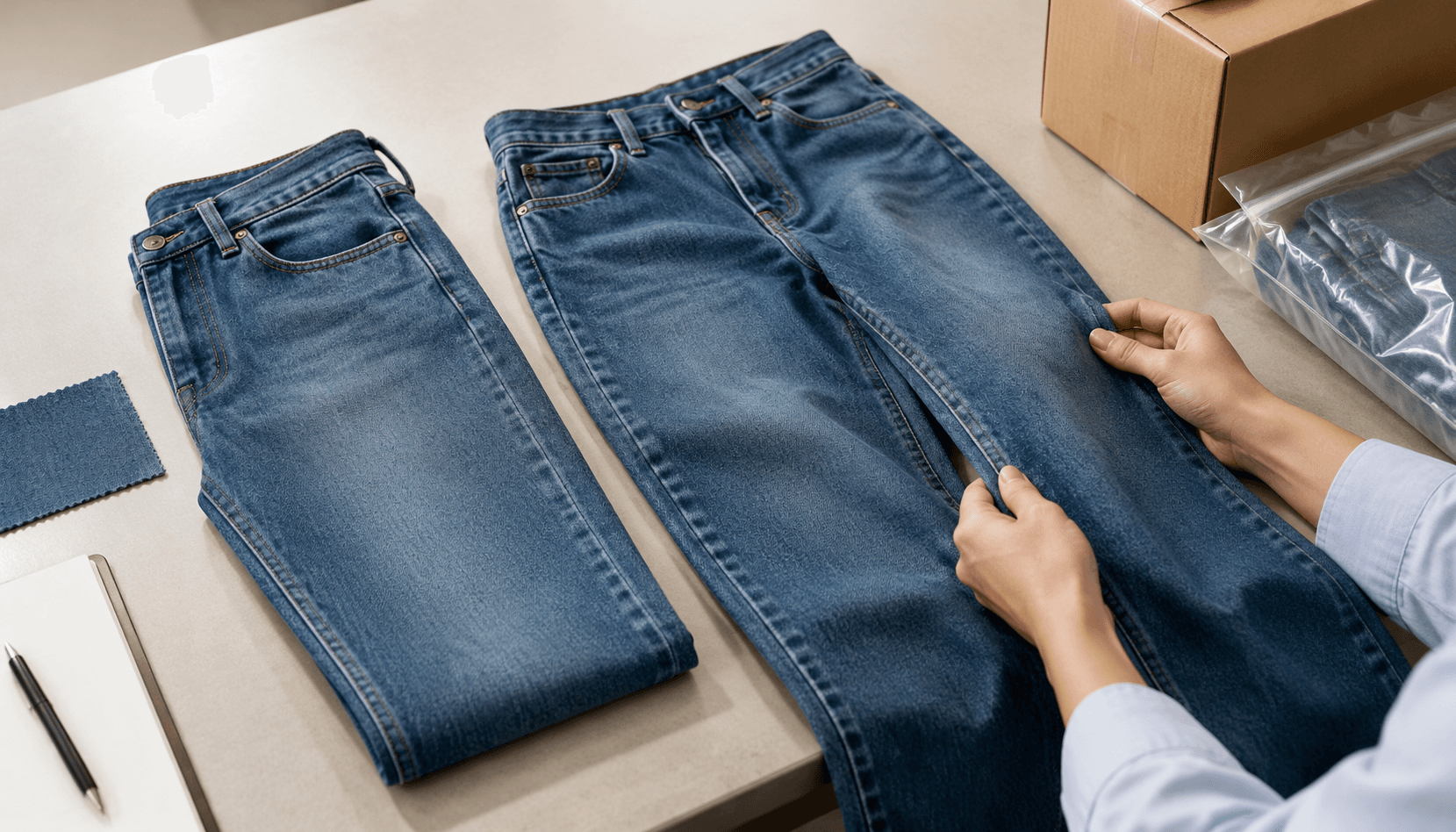
When discussing consistency between bulk denim production and samples, packaging and shipping conditions are often left until the end. This article compares the custom and available-styles paths, identifying at which stage packaging and shipping requirements should be confirmed, which items to check, and why a lack of records means consistency or inconsistency cannot be determined directly. Suitable for buyers and wholesalers currently arranging bulk acceptance or replenishment.

Read story
Denim bulk production and sample consistency: what can be verified from a flat-lay photo
Sourcing guides

Denim bulk production and sample consistency: what can be verified from a flat-lay photo

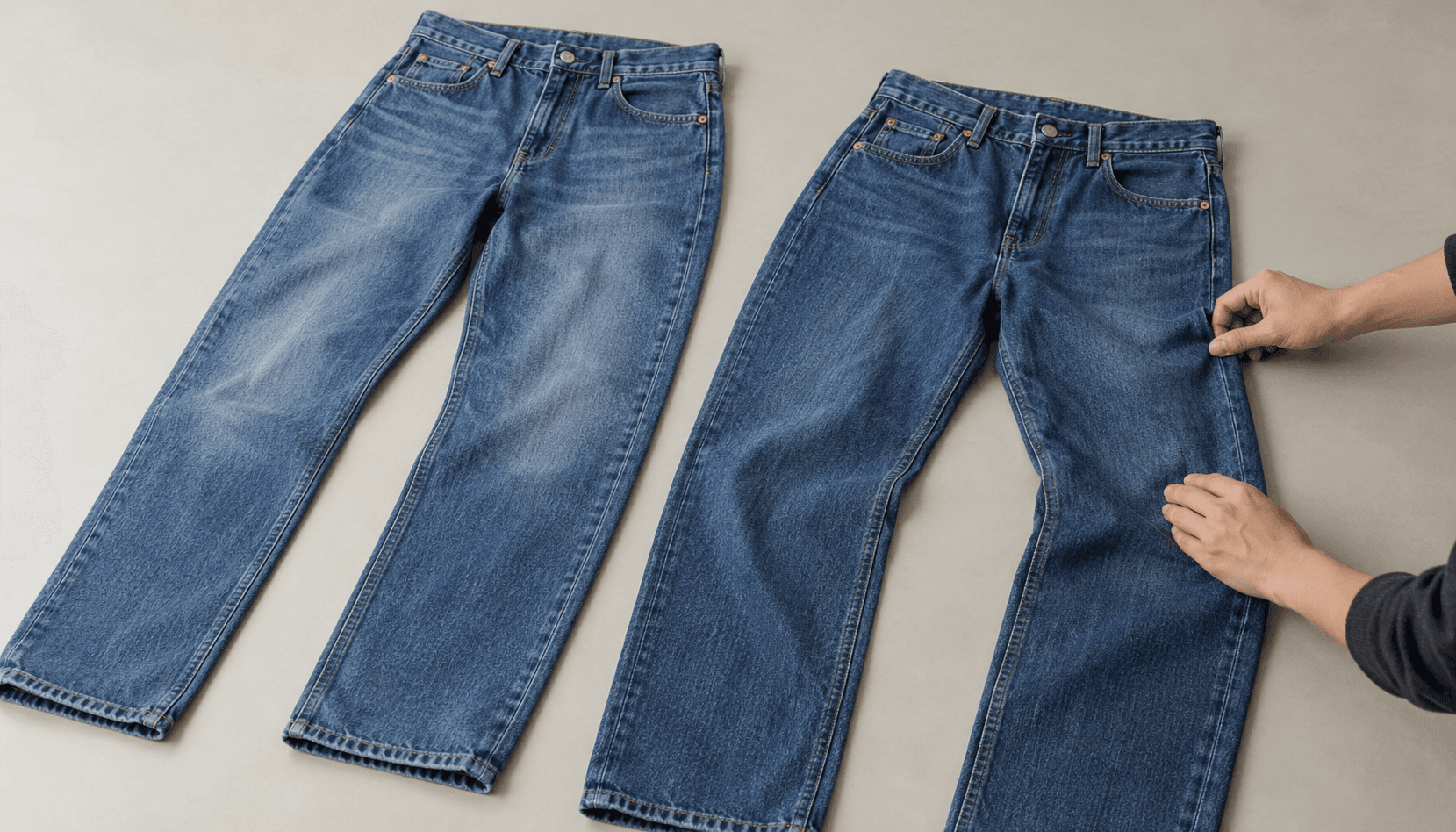
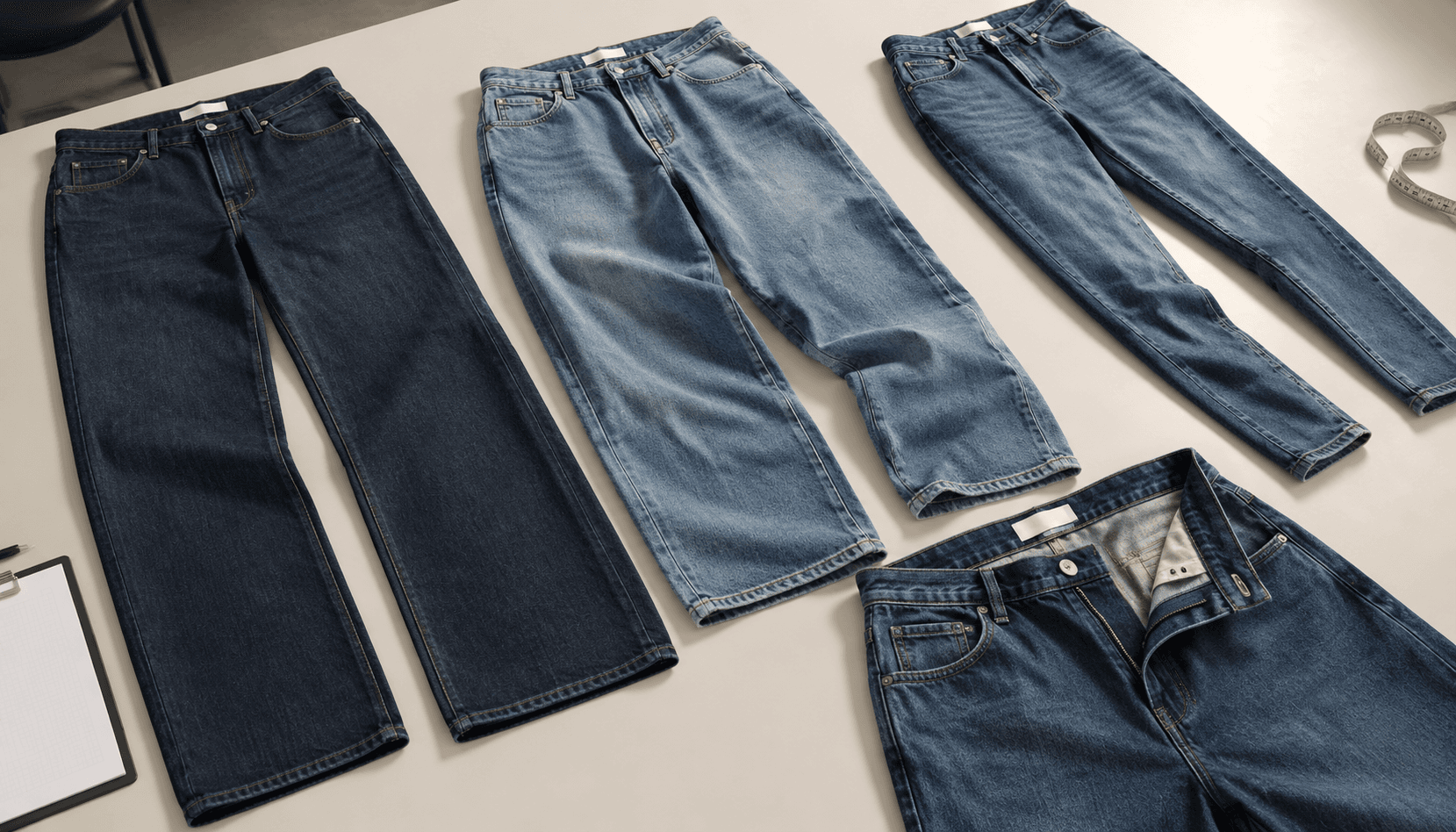
In custom denim development, clients often use product images or flat-lay photos as the basis for bulk production acceptance, but images do not prove composition, weight, shrinkage, or color variation. Starting from what can and cannot be seen in a flat-lay photo, this article explains what verifiable information should be recorded when approving samples, and how to check bulk production against the approved sample—helping brands and buyers clarify the basis before sample sealing and inspection.

Read story
Before reordering, distinguish clearly: confirmation checklist for stock replenishment vs. custom reorders
Sourcing guides

Before reordering, distinguish clearly: confirmation checklist for stock replenishment vs. custom reorders

For denim buyers who need to replenish, this explains the two paths that must be distinguished before reordering: stock replenishment is subject to the inventory and sizes available in the current order window, while custom reorders require confirming whether fabric, wash, trims, labels, and specification versions can be carried over. For lead time arrangements, sampling, bulk production, and stock shipment each have different starting conditions, and confirmation milestones must be stated clearly in the order—communication terms cannot be treated directly as commitments.

Read story
Denim Size Charts and Tolerances: First Distinguish Pre-Wash vs. Post-Wash When Checking
Sourcing guides

Denim Size Charts and Tolerances: First Distinguish Pre-Wash vs. Post-Wash When Checking

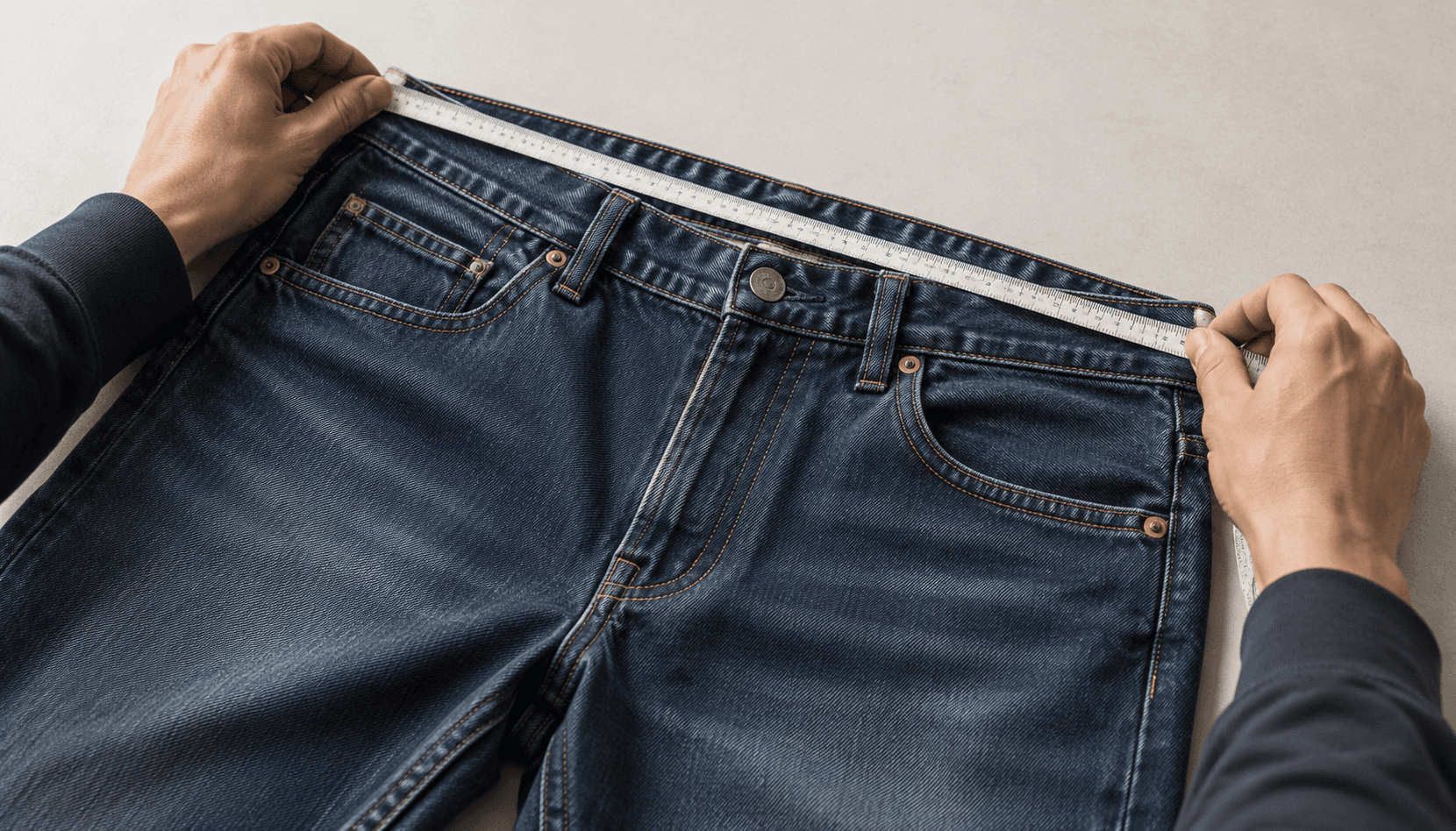
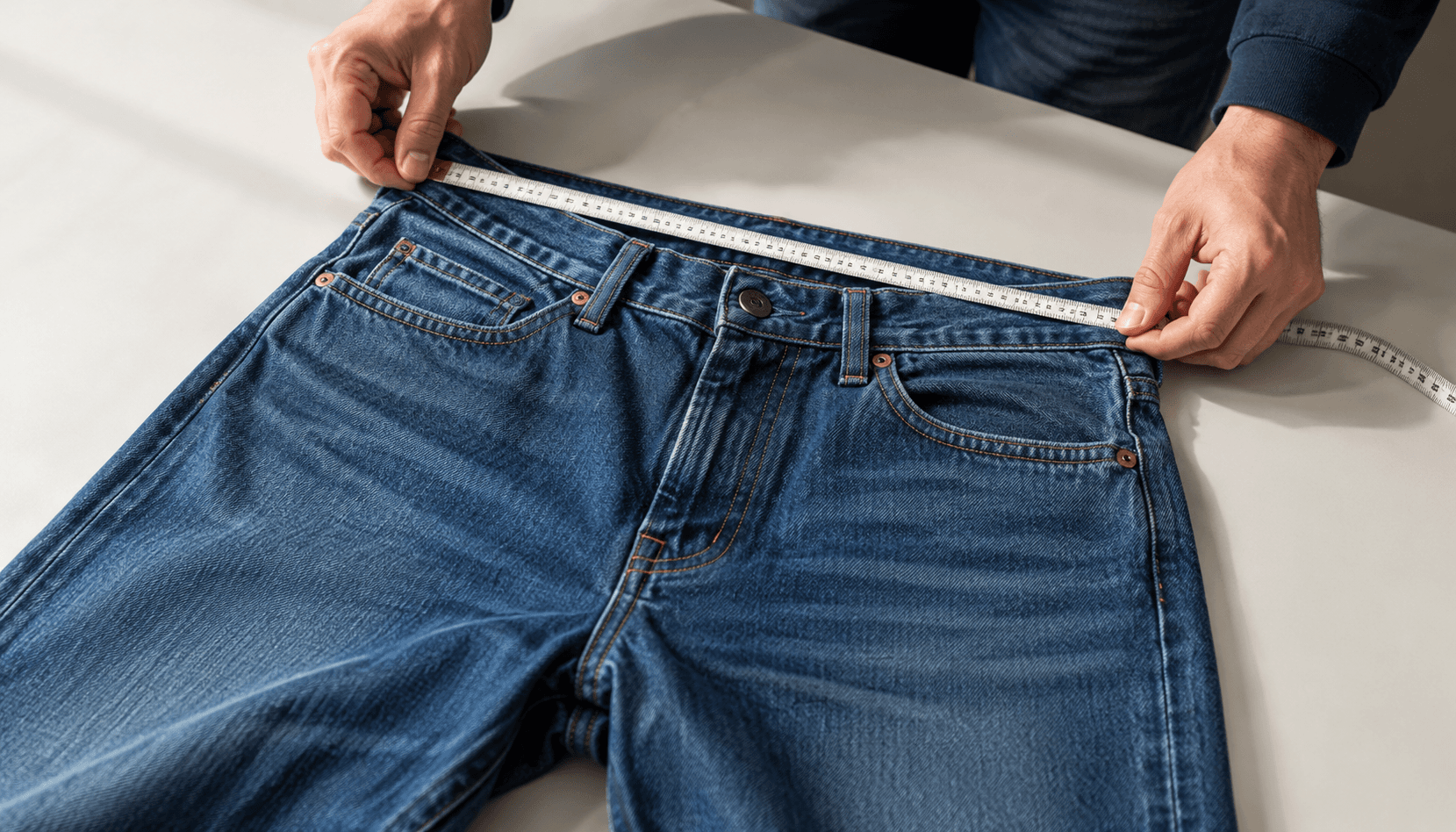
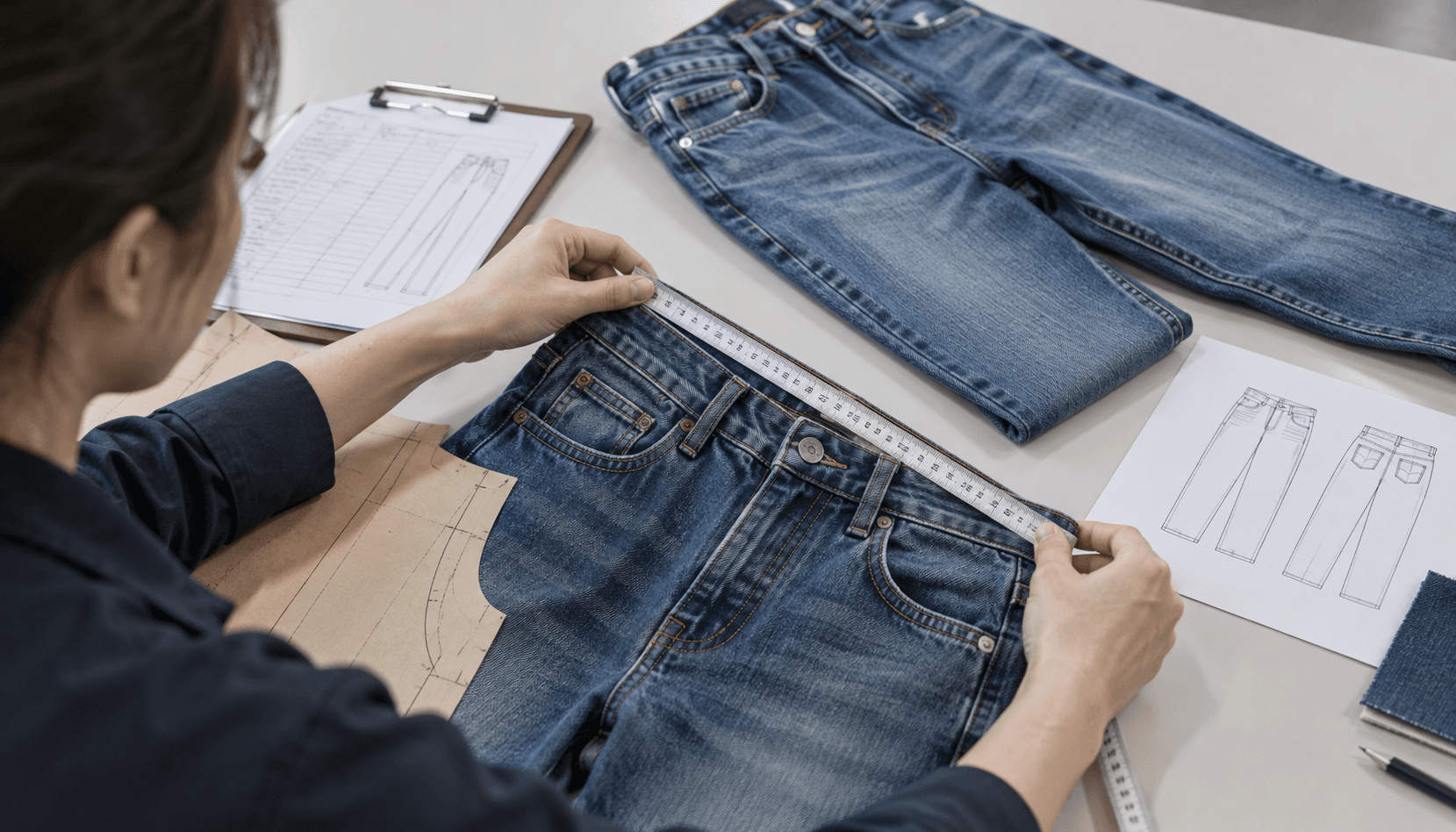
This article is intended for brands and wholesalers, outlining the key steps when checking denim size charts and tolerances: first confirm the measurement state (pre-wash/post-wash), units, and measurement method, then compare each point—waist, hip, front rise, back rise, inseam, thigh, and leg opening—one by one. Tolerance ranges must be specified in the confirmed specs and cannot be inferred from sample garments.

Read story
What to confirm for denim reorders: first distinguish whether you are restocking available styles or reordering custom styles
Sourcing guides

What to confirm for denim reorders: first distinguish whether you are restocking available styles or reordering custom styles

The most common mistake in reorders is treating the previous order's price, lead time, and fabric as conditions that remain valid indefinitely. This article is for brands and wholesalers who need to place repeat orders, explaining what to verify for available-stock reorders versus custom reorders: inventory and shipping conditions, specification version, fabric and wash batch, trim inventory, quantity, and scheduling. When information is incomplete, identify the gaps first, then decide whether to place the order.

Read story
Mixed-Size Purchasing and Trim Labels: Two Customization Conditions That Are Easily Confused
Sourcing guides

Mixed-Size Purchasing and Trim Labels: Two Customization Conditions That Are Easily Confused

For brands and wholesalers who often discuss mixed-size purchasing and trim label customization together in denim customization, this article explains, based on existing information, that the two are judged on different bases: mixed sizes depend on the combined total for the same style and the minimum order rules, while trims depend on confirmation samples and separate charges. Readers can use this to prepare materials separately and reduce repeated quoting.

Read story
Denim Size Charts and Tolerances: What Are the Key Differences in Verification Between Stock and Custom?
Sourcing guides

Denim Size Charts and Tolerances: What Are the Key Differences in Verification Between Stock and Custom?

When sourcing denim, stock and custom orders follow different verification paths for size charts and tolerances. For stock, the size data and actual inventory available in the current order window are authoritative; for custom, you need to start from the target market's size chart, specify measurement points, units, pre-wash or post-wash state, and allowed tolerances, and use the approved sample garment as the basis for bulk production verification. This article compares the two paths in terms of size information, tolerance confirmation, and room for modification, helping buyers determine which information their current project should prioritize.

Read story
Denim garment quality acceptance checklist: don't use sample photos as the basis for acceptance
Sourcing guides

Denim garment quality acceptance checklist: don't use sample photos as the basis for acceptance

When denim garments arrive, acceptance should be based on the mutually approved samples and written specifications, not on design drawings or product page photos. This article is for brands and buyers, explaining how to break down measurements, wash color variation, sewing, and trims into checkable items, and identifying which items require an agreed inspection plan and measurement method in advance to avoid disputes after delivery.

Read story