ZHIZHI JOURNAL

The journal archive

Inside ZHIZHI: company updates and practical guidance on denim development, sampling and sourcing.

78 stories

Stretch denim or rigid denim? First, look at where you are in your private label customization process
Sourcing guides

Stretch denim or rigid denim? First, look at where you are in your private label customization process

Addressing a common concern for brands and buyers when selecting styles: how to choose between stretch denim and rigid denim depends on the target market, fit requirements, and the conditions of the confirmed sample garment. Starting from the boundaries of available information, this article explains that fabric parameters should come from confirmed specifications, that stretch styles require confirmation of both stretch and recovery, and reminds readers to re-check samples after any fabric change. Suitable for readers who are advancing a private label customization process and need clarity on confirmation checkpoints at each stage.

Read story
How Are Denim Wash Colors Confirmed? First Distinguish the Purpose of Images in OEM vs. ODM
Sourcing guides

How Are Denim Wash Colors Confirmed? First Distinguish the Purpose of Images in OEM vs. ODM

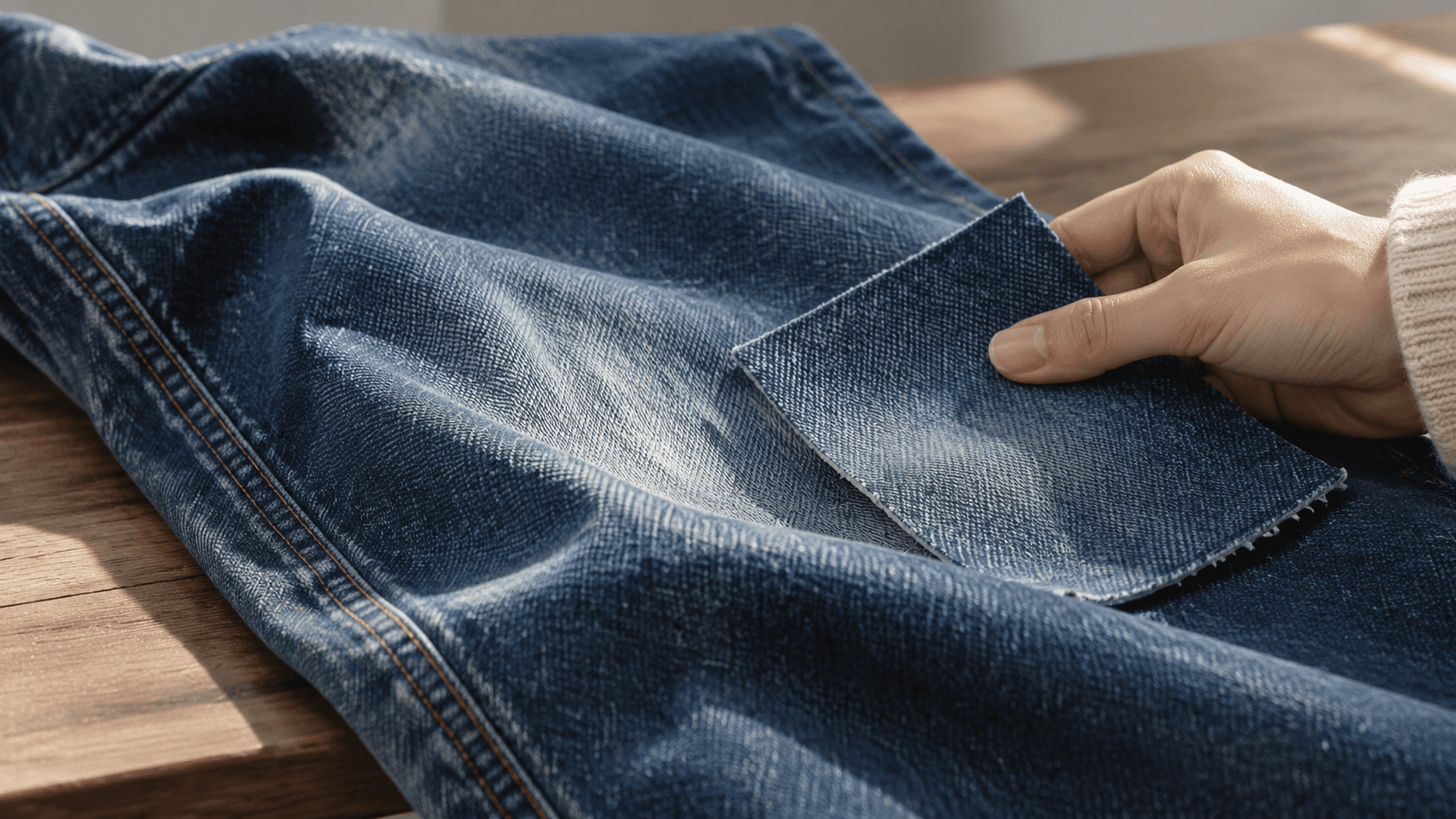
Confirming denim wash colors and communicating with OEM/ODM partners are often conflated. Starting from the different roles images play in these two paths, this article explains what reference images, sample garments, and confirmation records can each answer, and provides specific steps for verifying wash colors according to your sourcing path. Suitable for brands, wholesalers, and buyers who are selecting styles or preparing to develop samples.

Read story
Denim Cargo Pants Pockets and Construction: Check Separately by Sourcing Path
Sourcing guides

Denim Cargo Pants Pockets and Construction: Check Separately by Sourcing Path

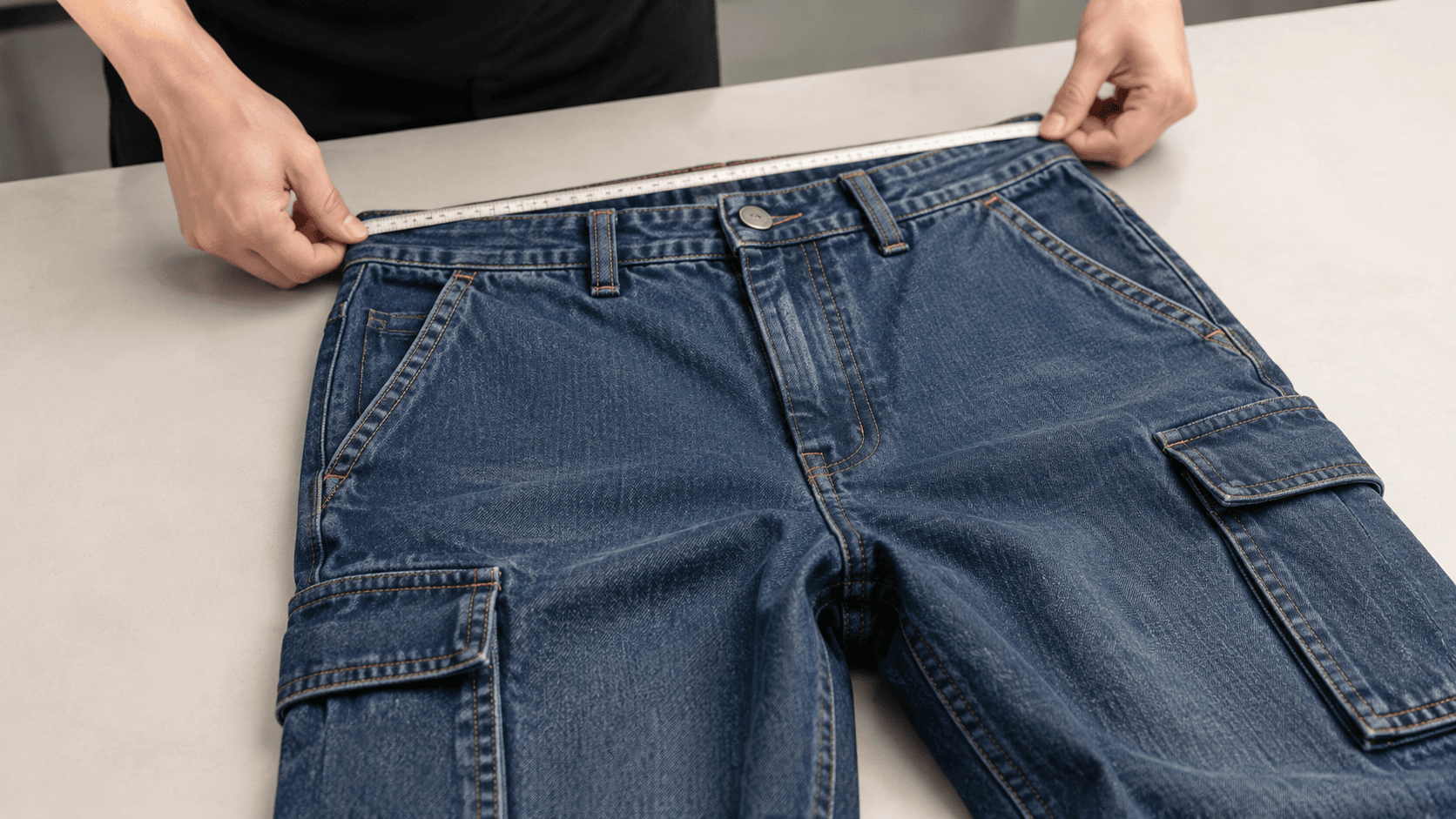
When sourcing denim cargo pants, pockets are an area where the boundary between available styles and custom development is easily confused. This article separates the two paths—buying available styles and OEM/ODM custom development—and explains the differences in pocket construction, measurement points, reference images, and sample verification, with fill-in check fields and review actions. It is intended for brands, wholesalers, and buyers who are selecting styles or preparing to develop custom cargo pants.

Read story
How should you ask about MOQs for small-batch denim customization? First, separate the definitions of shrinkage rate
Sourcing guides

How should you ask about MOQs for small-batch denim customization? First, separate the definitions of shrinkage rate

This article is intended for brands and buyers preparing to develop denim styles in small batches. It explains what basis to use when verifying MOQs, and how shrinkage rate should be communicated during sampling by separating before-wash and after-wash, measurement positions, and tolerances. The key is to distinguish between available styles and custom development conditions, and to write items to be confirmed into the specifications rather than replacing sample records with reference images or verbal statements.

Read story
Differences between denim apparel OEM and ODM: from who provides the design drawings to how sampling responsibilities are divided
Sourcing guides

Differences between denim apparel OEM and ODM: from who provides the design drawings to how sampling responsibilities are divided

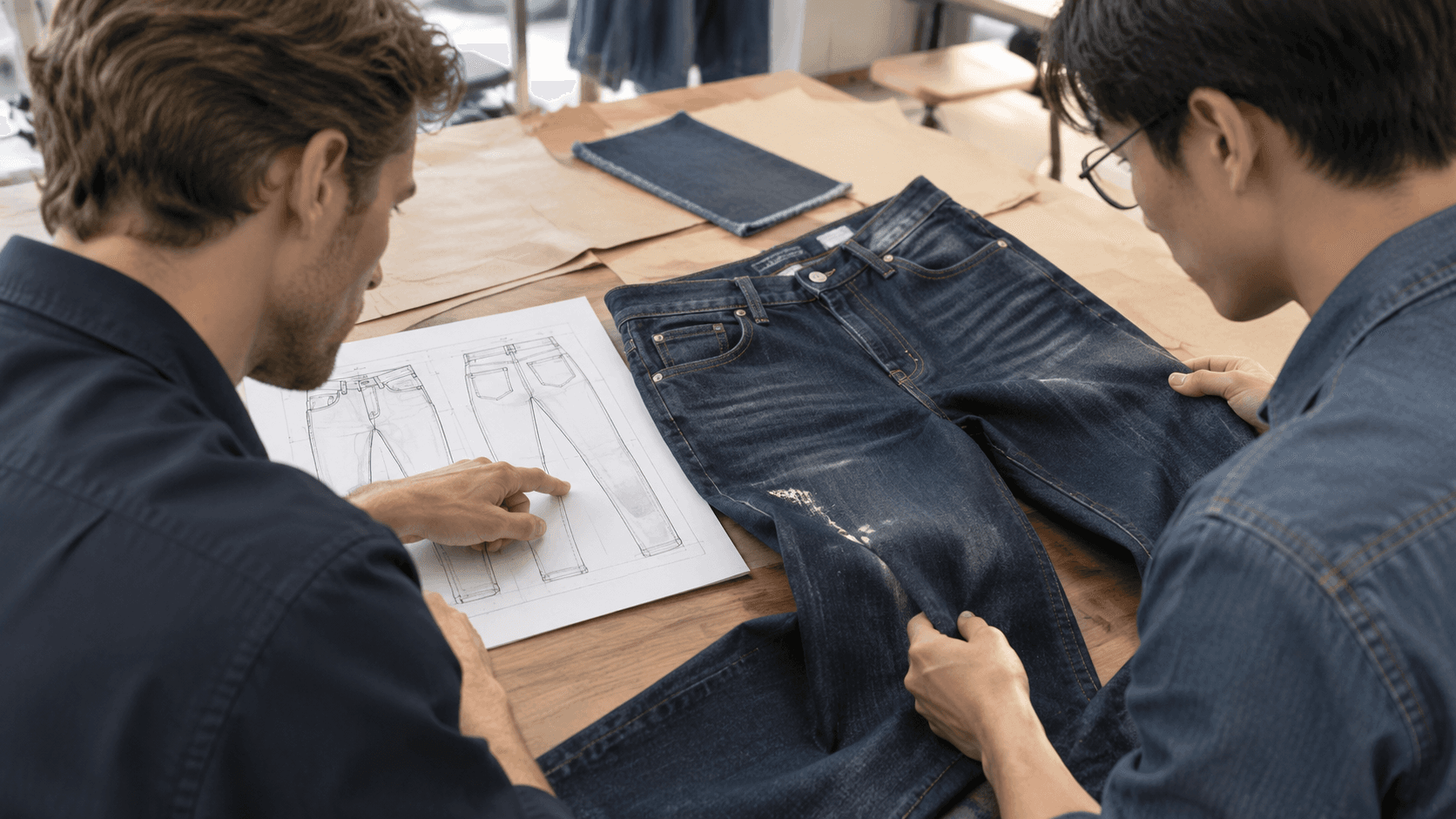
For brands and wholesalers preparing to develop denim styles, this explains the practical differences between OEM and ODM in terms of starting materials, design ownership, and sample confirmation. Rather than framing one as better than the other, the article helps readers assess what materials they already have, which parts of development work they need the other party to handle, and which conditions must be clarified before quoting.

Read story
How to communicate denim shrinkage: first distinguish before-wash vs. after-wash, then discuss tolerance
Sourcing guides

How to communicate denim shrinkage: first distinguish before-wash vs. after-wash, then discuss tolerance

Shrinkage disagreements are rarely about the numbers themselves—most often the two sides are not talking about the same thing. This article is for brands and buyers, explaining how to link before-wash/after-wash states, measurement methods, tolerances, and sample approval into one verifiable communication chain, so bulk production and samples don't tell different stories.

Read story
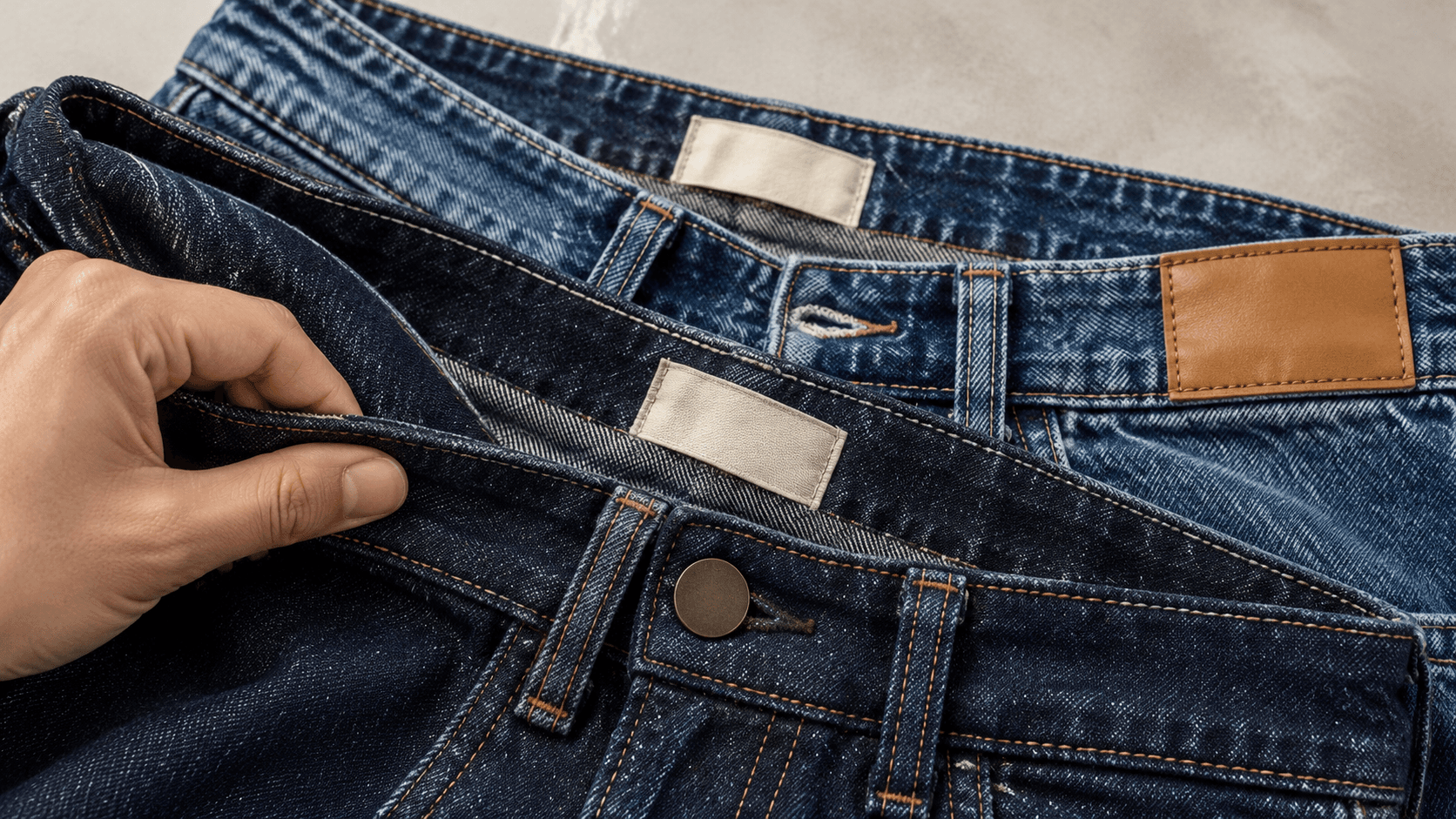
Custom Trims and Label Development: Check These Three Boundaries Before Small-Volume MOQ
Sourcing guides

Custom Trims and Label Development: Check These Three Boundaries Before Small-Volume MOQ

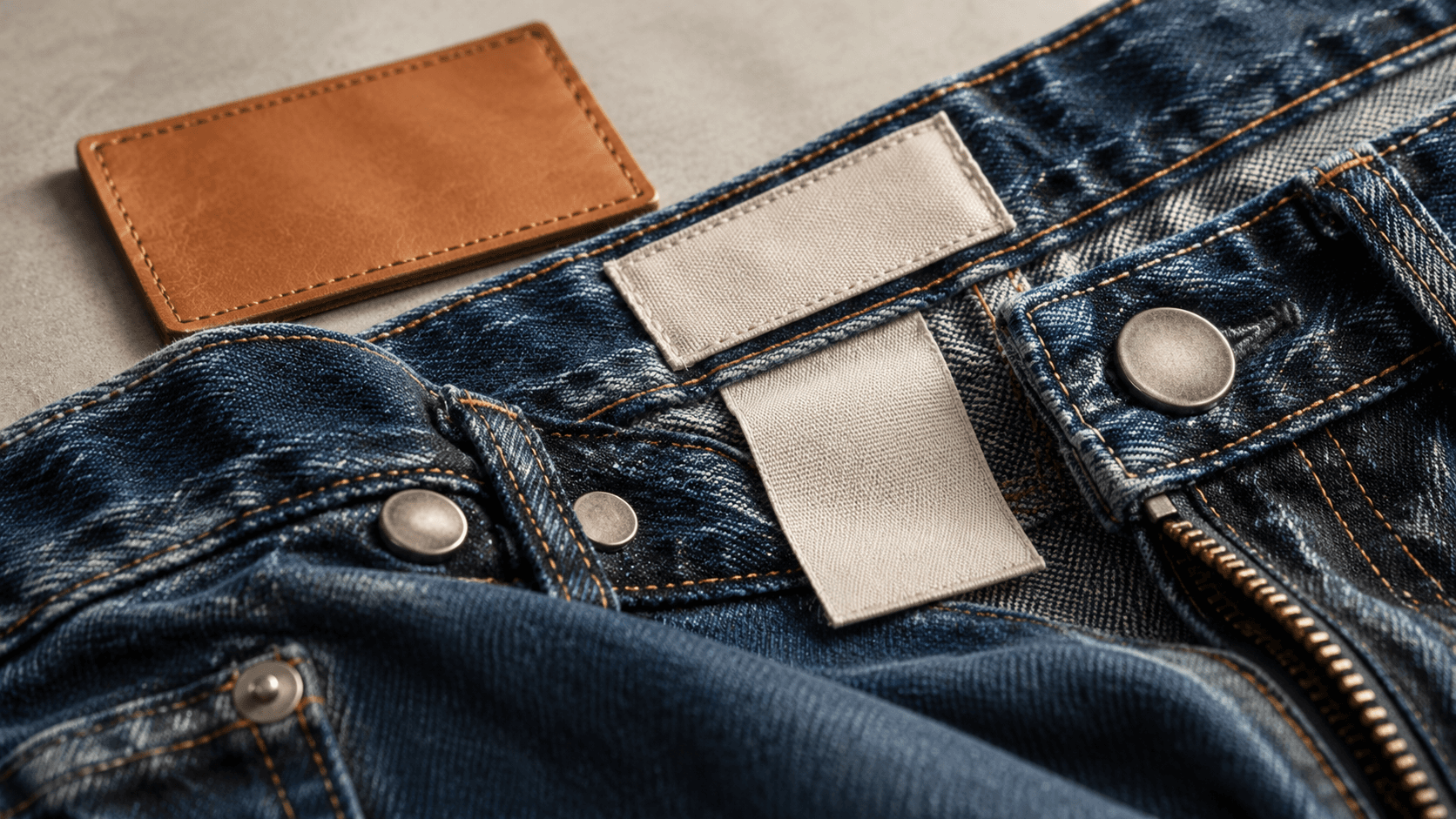
A sourcing checklist guide for brands and buyers: denim garment trims and brand label development are often asked about as one package, but main labels, care labels, leather patches, buttons, hangtags, and packaging each have independent quantity, cost, and lead-time rules. This article covers three boundaries—MOQ calculation basis, artwork and authorization, and label content verification—explaining what unit to use when confirming small-volume custom MOQs and which items must be confirmed before sample approval.

Read story
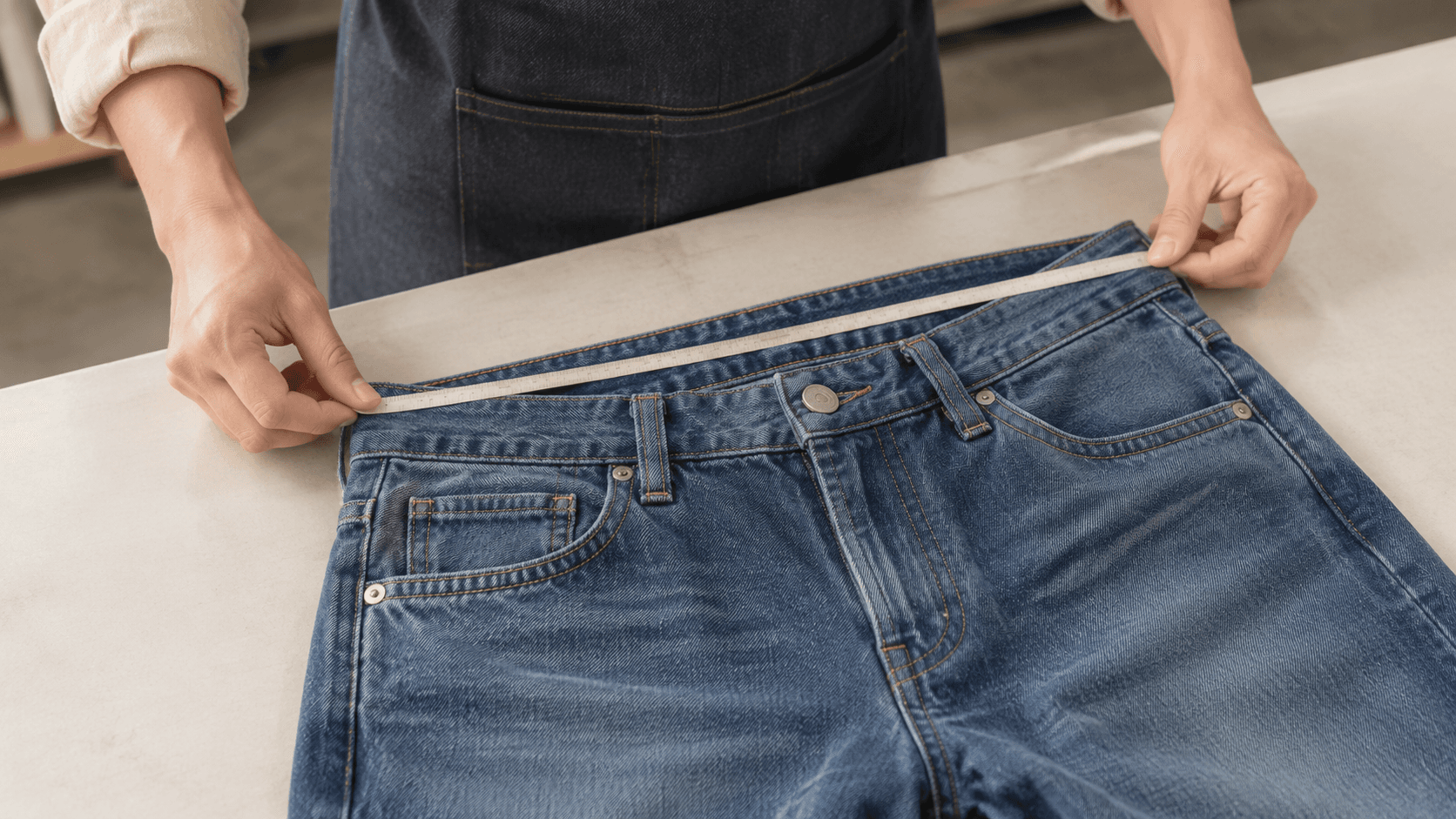
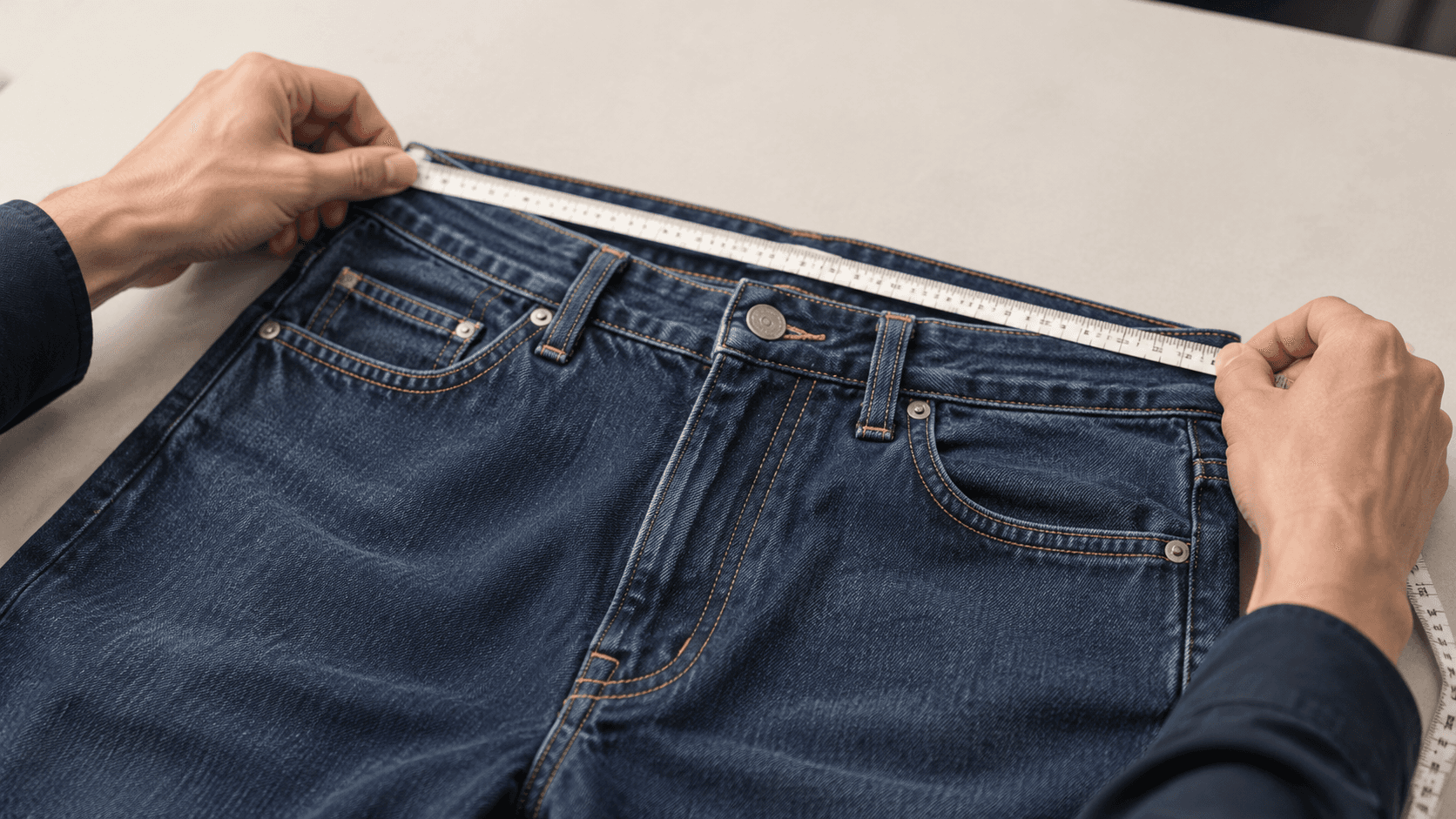
Jean Size Charts and Tolerances: Stock Verification vs. Custom Confirmation—Which Chart to Align First
Sourcing guides

Jean Size Charts and Tolerances: Stock Verification vs. Custom Confirmation—Which Chart to Align First

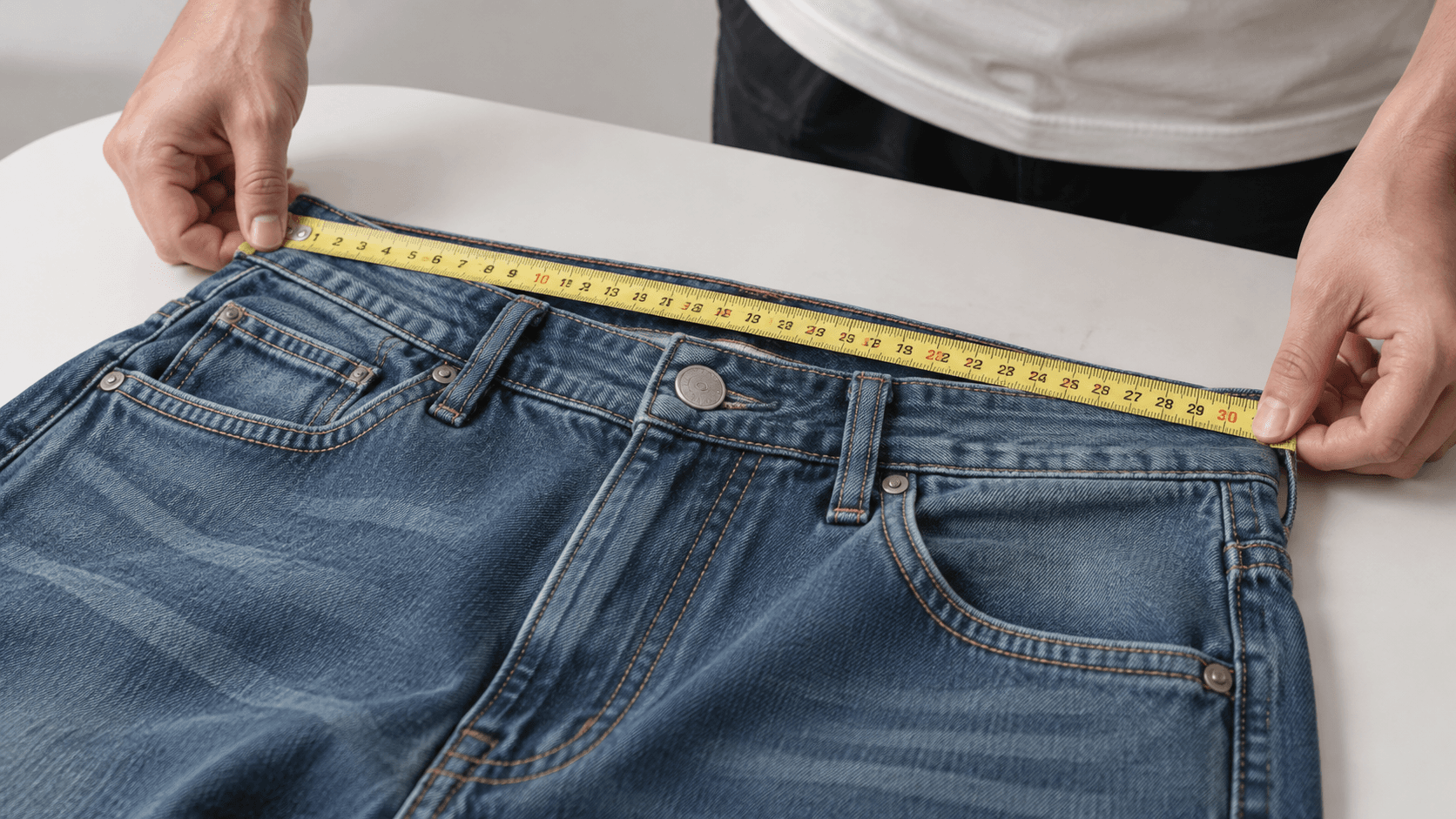
When sourcing jeans, stock and custom orders have different requirements for size charts and tolerances. Stock orders require checking available sizes, inventory, and pre-wash/post-wash states; custom orders require key measurement points based on the target market, with measurement methods, units, and allowed tolerances confirmed at the sample stage. This article compares the two paths in terms of sizing basis, tolerance agreements, and change handling, helping buyers decide which chart to align first for their current project.

Read story
Denim Size Charts and Tolerances: Don't Treat Reference Images as an Inspection Checklist
Sourcing guides

Denim Size Charts and Tolerances: Don't Treat Reference Images as an Inspection Checklist

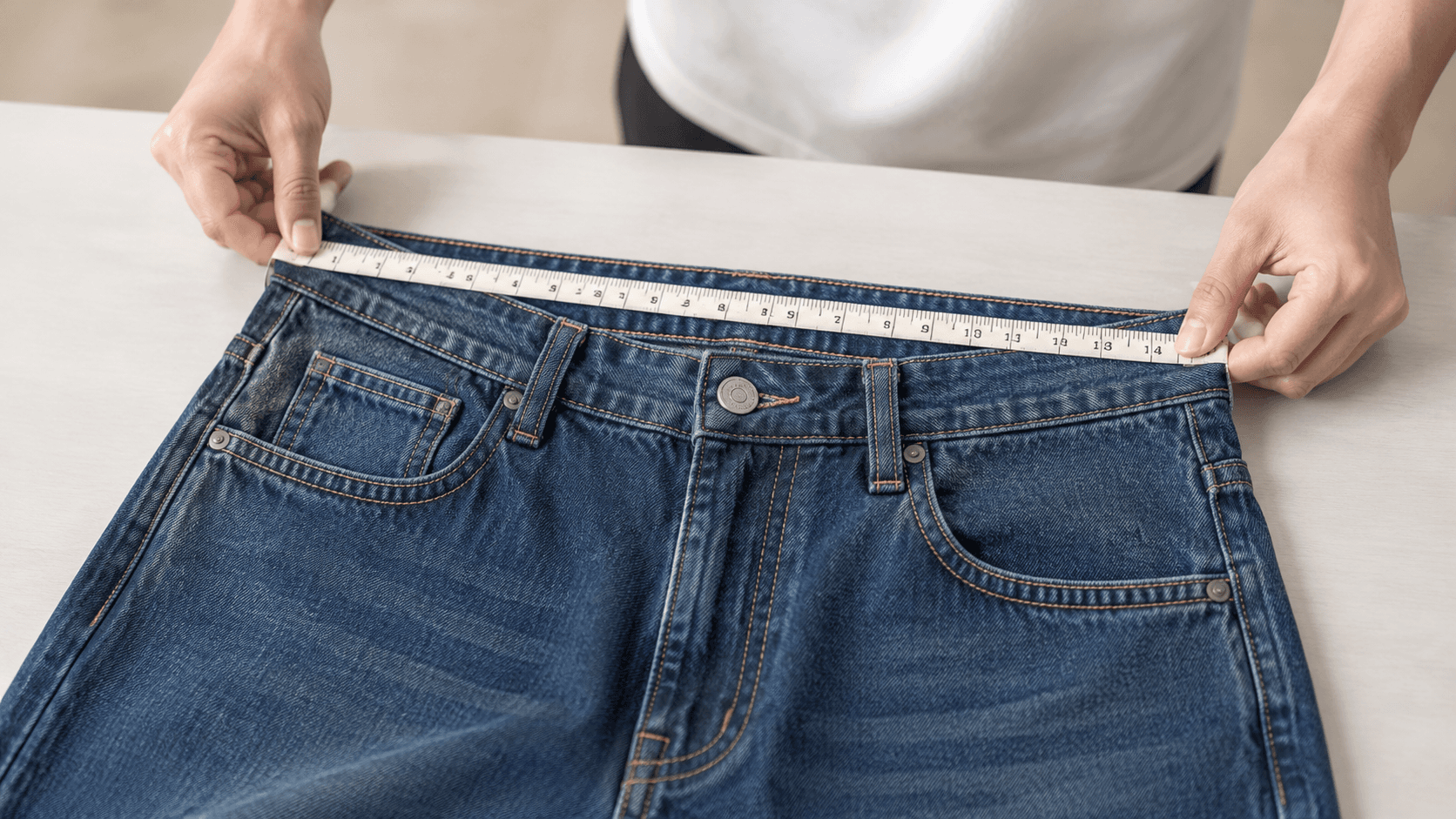
When developing custom denim, product galleries and reference images are only for communicating style direction and cannot serve as the basis for size or construction parameters. Buyers need to provide a size chart or key measurement points according to the target market, and clearly specify the measuring method, units, pre-wash/post-wash state, and allowable tolerances. A denim garment quality inspection checklist should be checked item by item against the approved sample and confirmed specifications, rather than relying on images for judgment. This article is aimed at brands and buyers, explaining the practical use of size charts and tolerances in purchasing confirmation.

Read story
Denim Journal Archive | Sourcing & Development Guides | ZHIZHI