How should you ask about MOQs for small-batch denim customization? First, separate the definitions of shrinkage rate
This article is intended for brands and buyers preparing to develop denim styles in small batches. It explains what basis to use when verifying MOQs, and how shrinkage rate should be communicated during sampling by separating before-wash and after-wash, measurement positions, and tolerances. The key is to distinguish between available styles and custom development conditions, and to write items to be confirmed into the specifications rather than replacing sample records with reference images or verbal statements.
MOQs should be confirmed separately by style, color, and size; 30 pieces is only an indication for some custom development reference styles. Shrinkage rate must be separated into before-wash and after-wash, based on actual sample measurements, and cannot rely on images or verbal promises.
In this article
First clarify what unit the MOQ is calculated onShrinkage communication: first separate before-wash from after-washWrite pending items into the sample garment recordDon't mix quotation and lead-time inquiries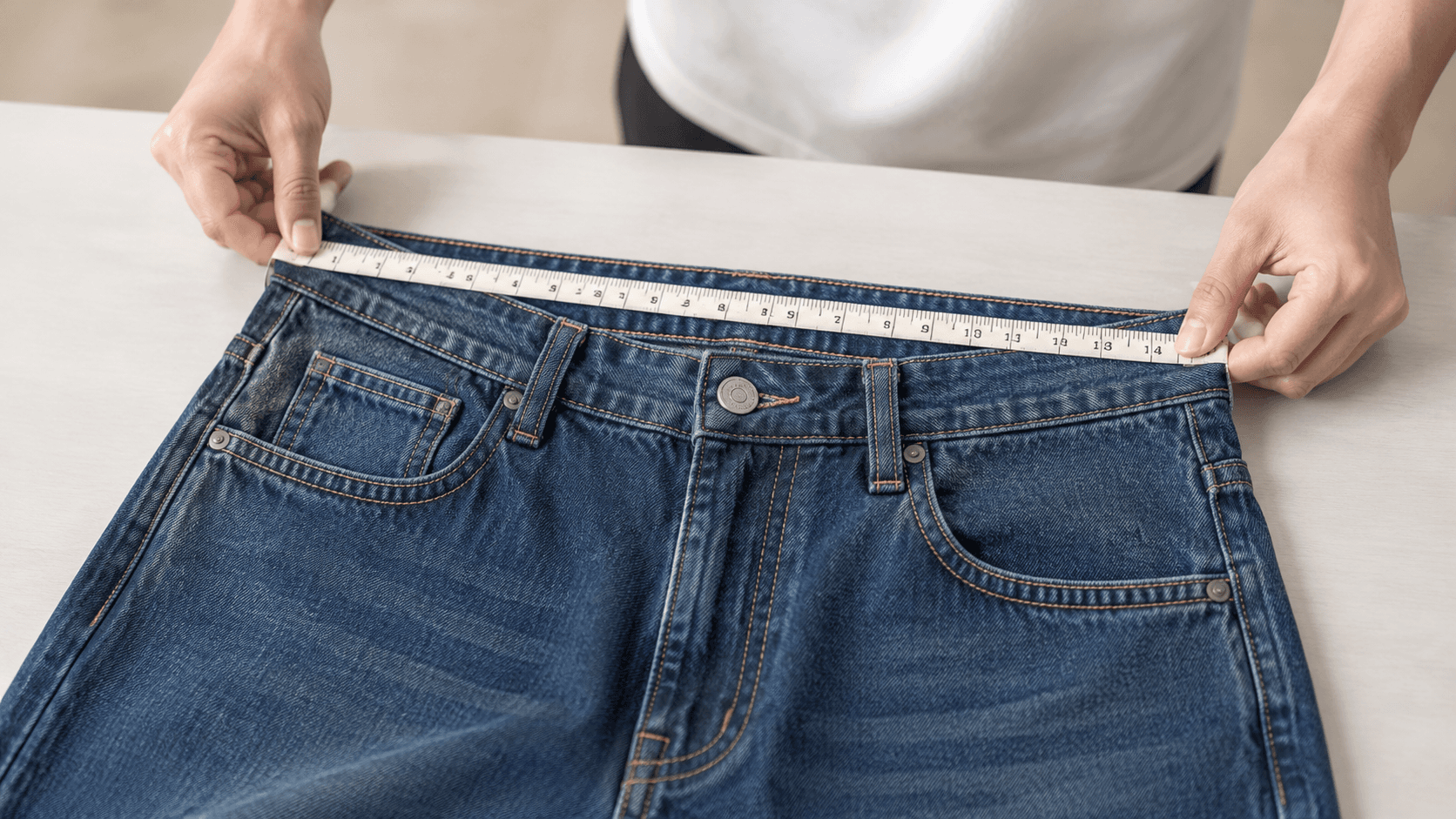
For small-batch denim customization, the two questions asked most often are: what exactly is the MOQ calculated on, and how should shrinkage be discussed so it doesn't fall through. Let's put the conclusion up front — for small-batch denim customization, the MOQ must be verified separately by style, color, and size. Some custom development reference styles on the website indicate an MOQ of 30 pieces per style, while other styles still need to be confirmed per the proposed plan. As for shrinkage, it must be separated into before-wash and after-wash, and by measurement location, based on actual sample garment measurement records; reference images and verbal statements cannot substitute.
First clarify what unit the MOQ is calculated on
The number 30 has a clear boundary: it appears on the labeling of some custom development reference styles, and is not a uniform commitment for all styles, fabrics, or colors. When inquiring, directly asking "Is this MOQ calculated per style, per color, or totaled across sizes" is more useful than quoting a total number first.
The same style in different colors may be calculated separately, and the same color in different sizes may have ratio requirements. Provide the estimated quantity, color, and size breakdown together to the sales contact so they can judge whether it can be arranged under existing rules. If the quantity is insufficient, you can first discuss available stock for trial sales or sample development, then verify whether customization can be scheduled. For available stock items, the MOQ shown on the current detail page and ordering window applies; some support a 1-piece minimum and mixed sizes within the same style — this is a different path from custom development reference styles and cannot be compared on price together.
Shrinkage communication: first separate before-wash from after-wash
When shrinkage can't be agreed upon, it's usually not the number itself but misaligned definitions. For the same denim fabric, measurements before washing and after washing differ, and changes at different measurement locations (waist, inseam, thigh) also vary. At minimum, three things must be stated clearly: whether the measurement is before-wash or after-wash, which body parts are measured, and what the tolerance range is.
Reference images are affected by lighting and screens and cannot be used as a basis for judging color difference or shrinkage. Fabric composition, weight, and weave parameters should come from confirmed product specifications or fabric documentation, and cannot be inferred from photos. For styles requiring stretch, stretch and recovery must also be confirmed together, because fabric substitution may affect color, wash, hand feel, and garment dimensions; after any change, the sample garment should be re-verified and not directly treated as an equivalent substitute.
Write pending items into the sample garment record
The sampling stage is the only reliable confirmation point for shrinkage. After receiving the sample garment, it is recommended to consolidate feedback on fit, dimensions, fabric hand feel, color and wash, stitching, and trims in one go, annotate locations with photos, and distinguish must-change items from acceptable differences. When measuring, note the unit, measurement method, and before-wash/after-wash status, and keep version numbers and confirmation records. Sample approval means both parties have settled the production reference, and does not mean unconfirmed details can be decided by the factory on its own.
If this round is mainly about silhouette, record the silhouette judgment first; shrinkage and wash effects should be confirmed at the same time, and materials should be prepared together. When material or construction changes are involved, review costs and timing in parallel.
Don't mix quotation and lead-time inquiries
To facilitate an accurate quotation, the first inquiry should include: reference style number or link, target market, estimated quantity per style, color and size breakdown, fabric hand-feel requirements, wash effect, brand labeling and packaging requirements, target delivery date, and destination country. Quotations need to account for style, quantity, fabric, wash, trims, brand customization, packaging, and delivery requirements; the range prices on available stock pages do not apply to custom items.
Sampling in 3 days, bulk delivery within 30 days depending on volume, and same-day dispatch for available stock — these are capabilities and arrangements that need to be confirmed against the specific order and cannot be guaranteed to apply unconditionally to all styles. The confirmation point from which lead time is counted should be written into the order; dispatch does not equal arrival, and transit and customs clearance time are calculated separately.
At this stage, the next thing to confirm is: the measurement record sheet for this round of sample garments — before-wash and after-wash, measurement locations, tolerances, and version number. Organize this document first, then discuss bulk specifications.