
How Are Denim Wash Colors Confirmed? First Distinguish the Purpose of Images in OEM vs. ODM
Confirming denim wash colors and communicating with OEM/ODM partners are often conflated. Starting from the different roles images play in these two paths, this article explains what reference images, sample garments, and confirmation records can each answer, and provides specific steps for verifying wash colors according to your sourcing path. Suitable for brands, wholesalers, and buyers who are selecting styles or preparing to develop samples.
Wash colors cannot be determined from on-screen images; images serve different purposes in OEM and ODM. Color confirmation must be based on sample garments and written records.
In this article
Images answer different questions in the two pathsWash color confirmation relies on sample garments and recordsAlign the starting point of wash communication by pathMaterial boundaries: what images do not proveNext steps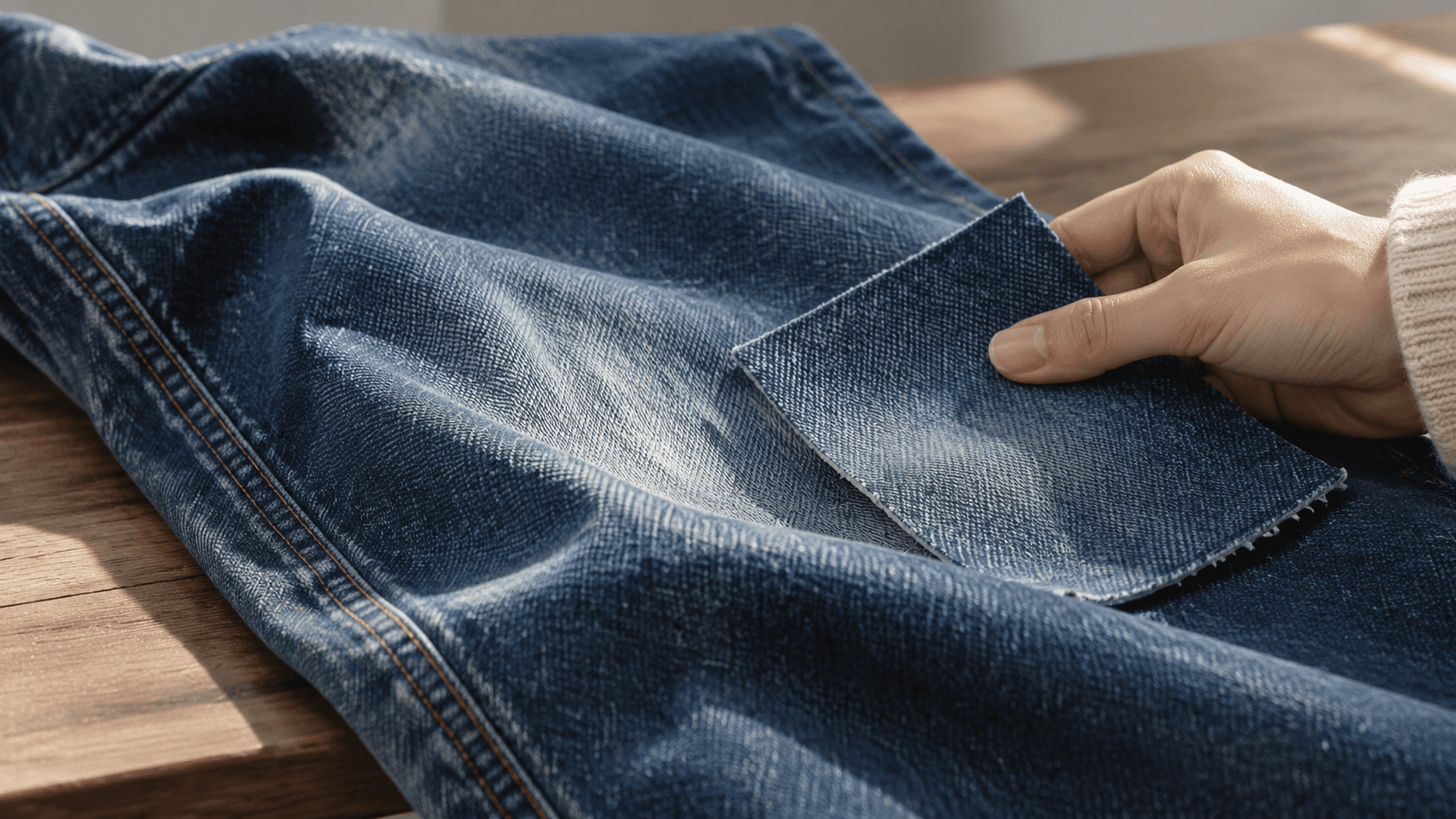
How are denim wash colors confirmed, and what does this have to do with the difference between denim garment OEM and ODM? First, consider a boundary that is easily overlooked: images can indicate the direction of appearance, but wash colors cannot be confirmed based on screen images alone. The difference between OEM and ODM lies in the source of design and the scope of adjustment, which also determines what role images can play in each path.
Images answer different questions in the two paths
OEM communication usually starts with the customer's existing design drawings, tech packs, or reference samples. The reference images provided by the customer are used to indicate the target effect, and the factory checks development feasibility, materials, processes, pricing, and scheduling accordingly before proceeding to sample garments. Here, images are requirement inputs, not confirmation results.
ODM communication, on the other hand, starts from reference styles on the website and discusses adjustments to fit, fabric, wash, and brand details. Reference style images are used to initiate direction discussions, but they likewise do not prove that physical samples exist, that stock is available, or that mass production capability exists. Images in either path cannot replace sample garment confirmation.
Wash color confirmation relies on sample garments and records
Customers may provide target color swatches, reference garments, or clear images to specify light or dark shades, whiskering, grinding, distressing, fraying, or other treatment requirements. Reference images are affected by lighting and screens and cannot serve as absolute color difference standards. Different fabrics and structures may present different hand feel and color under the same treatment.
Confirmation actions land on the sample garment: record key positions and details that need to be retained, and distinguish between must-change items and acceptable differences. Keep version numbers and confirmation records for each round of revisions. When material or structural changes are involved, review costs and timing at the same time. For wash color evaluation, refer to How to confirm denim wash colors: what to check from reference images to sample garments, which provides more detailed explanation of the division of roles between reference images and sample garments.
Align the starting point of wash communication by path
| Comparison item | OEM path | ODM path |
|---|---|---|
| Design source | Customer design drawings, tech packs, or reference samples | Website reference styles, discuss adjustments |
| Image purpose | Indicate target effect as development input | Initiate direction discussion, does not prove stock |
| Basis for wash confirmation | Sample garments and confirmation records | Sample garments and confirmation records |
| Items to confirm | Materials, processes, pricing, scheduling | Fit, fabric, scope of wash adjustments |
What the two paths share: wash colors are ultimately based on sample garments and written confirmation records, not on images. The difference lies in who provides the starting materials and where the scope of adjustment begins.
Material boundaries: what images do not prove
Custom product image libraries may include front and back model shots, flat-lay front and back shots, and detail shots to help communicate style structure and design direction. However, generated reference images do not prove that physical samples exist, that stock is available, that real customers exist, or that mass production capability exists, nor can accurate composition and process parameters be derived from them. Factory real-shot materials can be used for corresponding scenario descriptions, showing which stage should correspond to which stage's real materials.
When customers ask about the final finished product effect, they should be guided to confirm sample garments, colors, sizes, and process records. Image displays cannot replace formal specifications and sample garment confirmation. Custom product displays showing reference designs do not mean stock is available.
Next steps
First confirm which path the current project follows: purchasing existing styles or developing according to brand requirements. If adjustments to fit, fabric, wash, or brand labels are needed, learn about the scope of communication through custom denim development and private label services; if you want to see existing styles first, go to available denim sourcing to check sizes, quantities, stock, and shipping arrangements style by style. Once the path is determined, prepare reference style numbers, estimated quantities, size ratios, and destination countries to form a quotable requirement description. Wash color confirmation must always come back to sample garments and records.